INTEGRASI AJARAN BUDI (AKHLAK MULIA) DALAM HUKUM ADAT MINANGKABAU DAN HUKUM ISLAM
Abstract
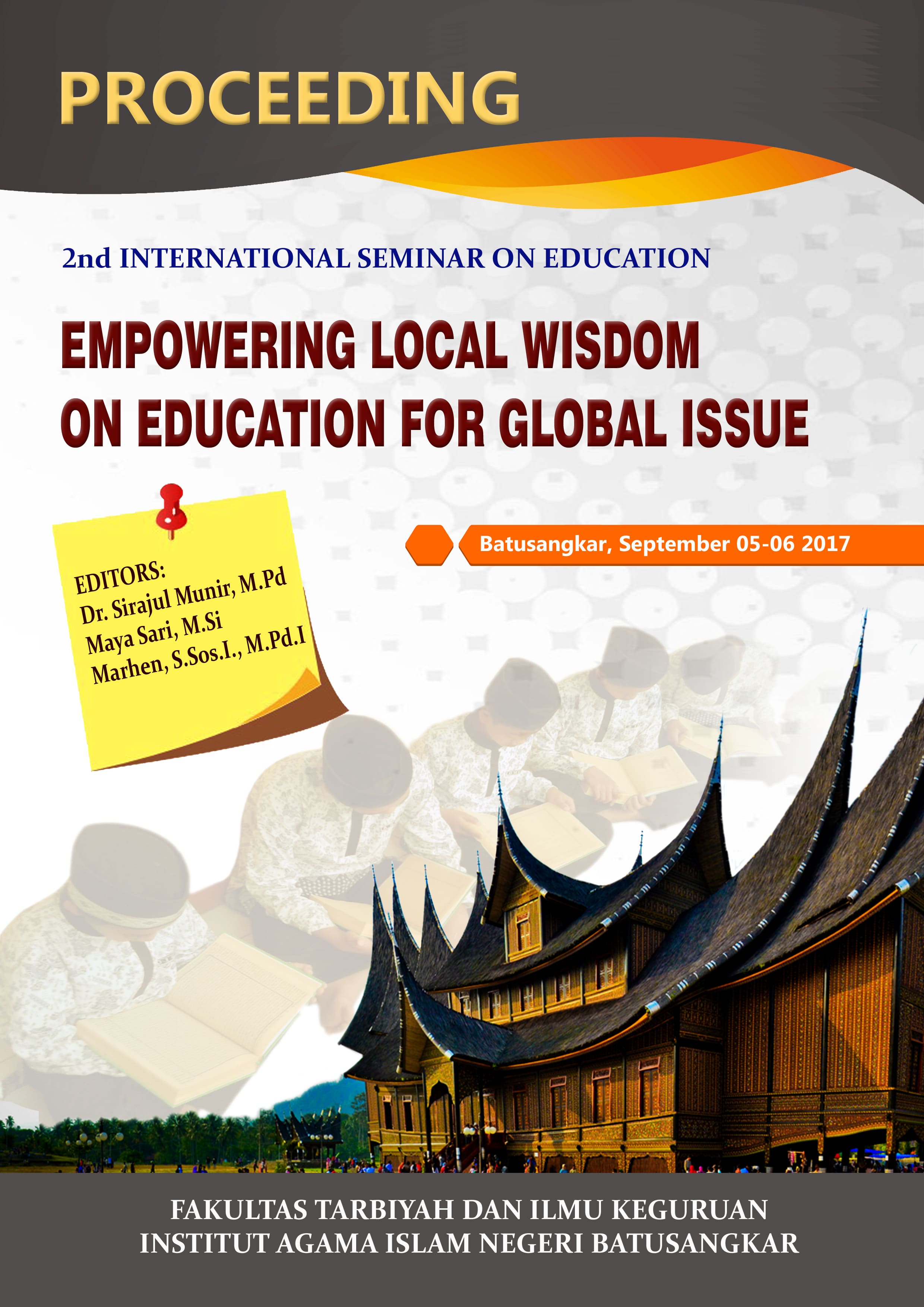
The precious values contained in Minangkabau custom is the noble mind of noble character. Before Islam entered Minangkabau, the teachings of the mind based on alam takambang jadi guru (nature and environment are the best teachers) and after Islam developed in Minangkabau this value became more perfect. Now there is a shift of values about the noble character in the Minangkabau society. This is reflected in the way of talking, dressing and taking decisions. The purpose of this paper is to explain the causes of the shift of values in Minangkabau society. This research was a library reserach, in the form of content analysis. The findings revealed that the causes of the shift of values about the noble mind in Minangkabau were the existence of imbalance between material and spiritual life, between the life of the world and the hereafter, between the life physical and spiritual, the respect of the young to the elder that triggered of the development of disgraceful character and depletion of noble character , which has been mandated by God.
References
Djamil, F. (2001). Hukum Perjanjian Syariah dalam Kompliasi Hukum. Bandung: Citra Aditya Bakti.
Indonesia, C. B. (2017, september). Bank Indonesia. Retrieved from www.bi.go.id.
Manan, M. A. (1970). Islamic Economic: Theori and Practise (A Comperative). Delhi: Idarah Adabiyah.
Musrin, M. (2004). Sistem Nilai Dan Pandangan Hidup serta Relasinya Dengan Ilmu. Jakarta: Wardah.
Nastangin, S. d. (1995). Doktrin Ekonomi Islam, I. Yogyakarta: Darma Bakti Wakaf.
Rozalinda. (2014). Ekonomi Islam,Teori dan Aplikasinya pada Aktivitas Ekonomi,. Jakarta: RajaGrafindo Persada.
Sholihin, A. I. (2010). Buku Pintar Ekonomi Syariah. Jakarta: Gramedia Pustaka.
Sutan Remy Sjahdeini. (2014, September 25). Perbankan Syariah, Produk-produk dan Aspek-aspek Hukumnya,. Jakarta: Kencana Prenada Media Group
Downloads
Published
Issue
Section
License
Authors who publish with this journal agree to the following terms:
- Authors retain copyright and grant the journal right of first publication with the work simultaneously licensed under a Creative Commons Attribution License that allows others to share the work with an acknowledgement of the work's authorship and initial publication in this journal.
- Authors are able to enter into separate, additional contractual arrangements for the non-exclusive distribution of the journal's published version of the work (e.g., post it to an institutional repository or publish it in a book), with an acknowledgement of its initial publication in this journal.
- Authors are permitted and encouraged to post their work online (e.g., in institutional repositories or on their website) prior to and during the submission process, as it can lead to productive exchanges, as well as earlier and greater citation of published work.
